Forensic Structural Engineering
Hail Damage or Just an Old Roof? What a Forensic Roof Inspection Actually Checks
September 5, 2026
Schedule a Consultation >
Contact Us
Forensic Structural Engineering
September 5, 2026
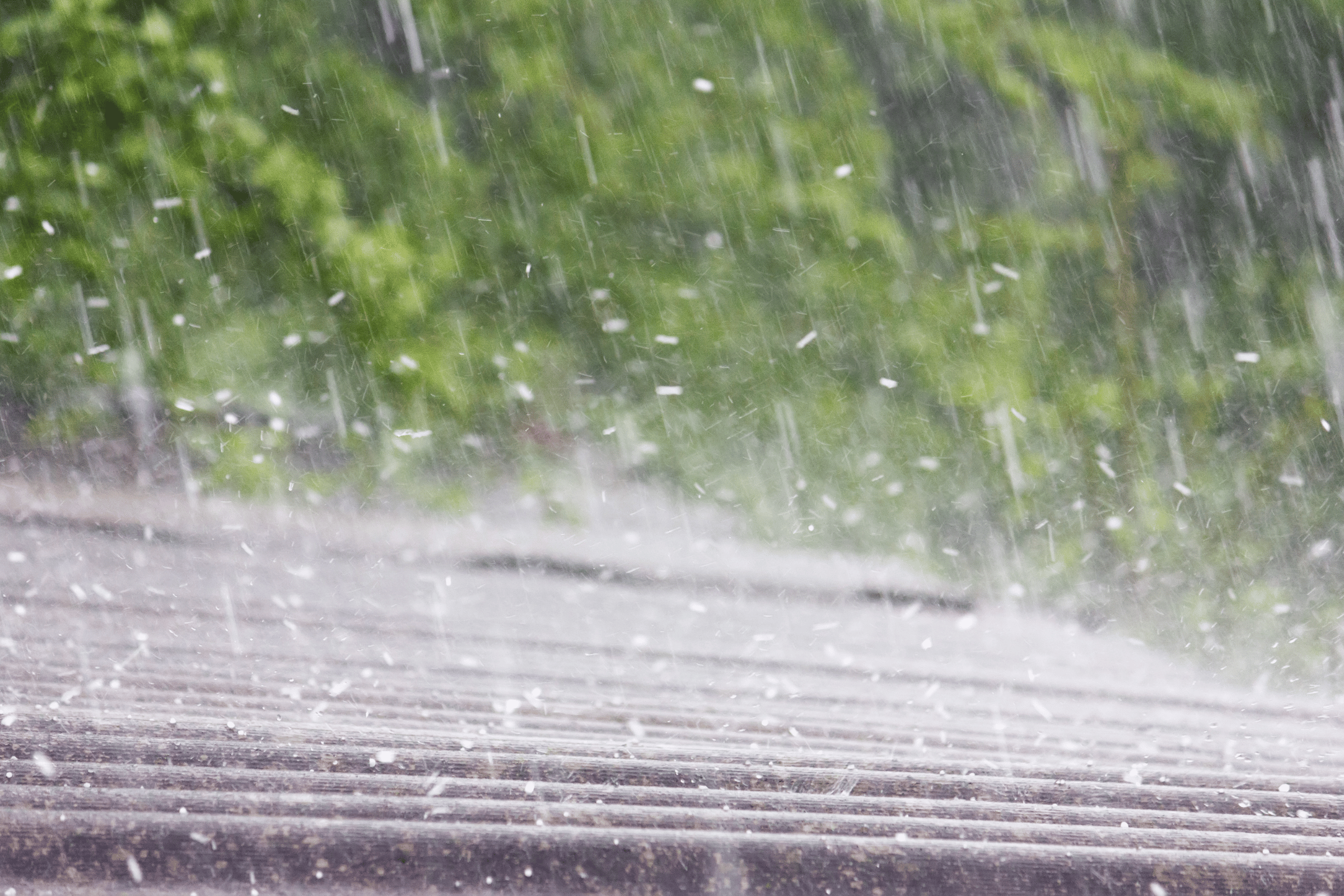
The short answer is this: Hail damage and ordinary aging leave different physical signatures, and a forensic roof inspection is built to tell them apart.
Hailstorm events are publicly documented and evidence of strikes can be seen across various materials like shingles, vents, flashing, and gutters, and strikes are generally concentrated on upwind slopes for a given storm event. Whereas general wear and age related deterioration follow different patterns like sun exposure, drainage paths, and foot traffic.
An engineer measures both and then correlates the damage with the site’s reported and/or documented history to determine what caused it and when it occurred, to report what is commonly referred to as, “causation and duration”.
Nearly every disputed hail claim comes down to causation and duration. What caused the damage, and when did it occur? A roofer can tell you a roof is damaged, but a forensic inspection produces measurements and weather-correlation data that allow the answer to stand up to scrutiny in an appraisal, an examination under oath, or a courtroom.
If you’re new to what forensic engineers do, start with our article on what a forensic structural engineer actually does. Here’s more detail on what the roof-specific work looks like.
The majority of disputes focus on damage to asphalt shingles, where hail damage shows up as roughly circular dents or “bruises” where the granule surface has been crushed into the asphalt mat beneath, or removed. Fresh strikes share a set of characteristics:
This is the primary question in any contested claim. The good news is that it’s a physical-evidence question with physical-evidence answers. Here’s a brief guide on some of the assessments used to answer this question:
The National Weather Service classifies hail as severe at 1 inch in diameter. That’s about the size of a quarter, and it’s a reasonable working threshold for functional damage to asphalt shingles in decent condition. Smaller hail can matter at the margins: older, brittle, or previously compromised shingles can suffer damage from hail under an inch, and pea-sized hail generally doesn’t cause functional damage to a serviceable roof.
Material changes things. Wood shakes split at smaller sizes than concrete tile cracks. Metal panels dent cosmetically well before they fail functionally. Age changes things, too. A 20-year-old shingle takes damage a 5-year-old shingle would shrug off.
Duration is the question that separates a forensic inspection from a roofing estimate. The answer is found via correlation.
Certified weather data exists for nearly every hail event: NOAA’s storm-events records, weather-radar-derived hail swath maps, expert meteorological reports, and ground reports establish what fell at or near a specific address, at what estimated size, and on what date. Hail swaths are often surprisingly narrow. In some cases, one side of a neighborhood gets 1.5-inch hail while the other side gets none.
The engineer then inspects the roof with that historical data in hand. Impact-mark weathering, the oxidation state of exposed mat and fibers, stain development and color at interior leak points, and the condition of prior repairs help pinpoint the timing of the damage.
When the physical evidence indicates a “recent, single event” and the weather record shows exactly one qualifying hail event at that address during the period, causation and duration align. That alignment is what makes an opinion defensible under cross-examination. When they don’t line up, that’s a finding too.
We’ve worked on both sides of these disputes (for carriers and policyholders), and the analysis is the same either way: the roof and the weather record either agree or they don’t.
A forensic roof inspection is a documented, measured examination. Each report is designed so that every conclusion traces to something the engineer personally observed and recorded. A typical scope includes:
No. 7 is the real difference between a forensic inspection and a typical roofer’s inspection. Both are completed in good faith, but only one is designed to withstand expert scrutiny.
A common adjusting convention is that around 8 or more qualifying impacts within a 100-square-foot test square is the threshold for replacing a slope. But this convention often gets misapplied in both directions: counting blisters and scuffs toward the threshold, or dismissing genuine mat fractures as “cosmetic” to stay under it.
These are the engineering questions that actually matter:
On an aging roof, repairability is often the real battleground. Individually replacing shingles in a 15-year-old field can create more damage than it fixes, which is how a “repairable” count becomes a full-slope replacement in practice. A forensic inspection answers the threshold question and the repairability question.
Most disputed hail claims never see a courtroom. They get resolved in appraisal, mediation, or settlement once the technical facts are established. That’s precisely where a measured, dated, engineer-sealed inspection earns its cost: It narrows what’s genuinely in dispute.
If you’re an attorney or a public adjuster with a roof claim heading toward litigation, the timing point matters more than any other on this page: Get the roof documented before it’s repaired or replaced. Once the physical evidence is gone, the argument falls to interpreting other people’s photographs.
We’ve written about when to bring a forensic engineer into a case. With roofs, the answer is almost always “before the contractor’s crew shows up.” For the broader picture of how we handle storm and insurance claim disputes across the Gulf Coast and beyond, see our Storm & Insurance Claim Disputes practice page.
Yes, hail readily dents metal roofing, but dents are usually cosmetic rather than functional, and many policies carry cosmetic-damage exclusions for metal roofs. The engineering question is whether an impact compromised the panel’s coating, seams, or fasteners in a way that affects performance.
Hail under 1 inch doesn’t generally cause functional damage to an asphalt shingle roof in serviceable condition. That said, shingle age, prior damage, and hail density can change that. Older, brittle shingles can fracture under sub-inch hail. The real answer emerges from the roof itself, including the mat condition under the impact marks (not hail-size estimates alone).
As soon as practical, and always before repairs. Fresh damage is unambiguous, but every month of weathering (and especially every subsequent storm) makes the causation and dating analysis harder. If a claim is likely to be disputed, document the roof in place before any contractor touches it.
A roofer’s inspection answers “what will it cost to fix this roof?” A forensic inspection answers “what caused this damage, and when did it occur?” A forensic inspection answers those questions with measurements, test squares, weather-record correlation, and a signed engineering report that’s designed to hold up in appraisal, deposition, or trial. Roofer inspections are often free because they’re sales calls. That’s good when a roof needs to be fixed, but it’s not expert-provided evidence.
Most homeowners and commercial property policies cover hail as a named peril, but coverage disputes focus on causation (hail versus wear or prior damage) and timing (which storm, which policy period). Those are engineering questions, which is why disputed claims on both sides increasingly involve forensic inspection.