Forensic Structural Engineering
What Is a Forensic Structural Engineer? Defining This Unique (and Essential) Role
August 7, 2026
Schedule a Consultation >
Contact Us
Forensic Structural Engineering
August 7, 2026
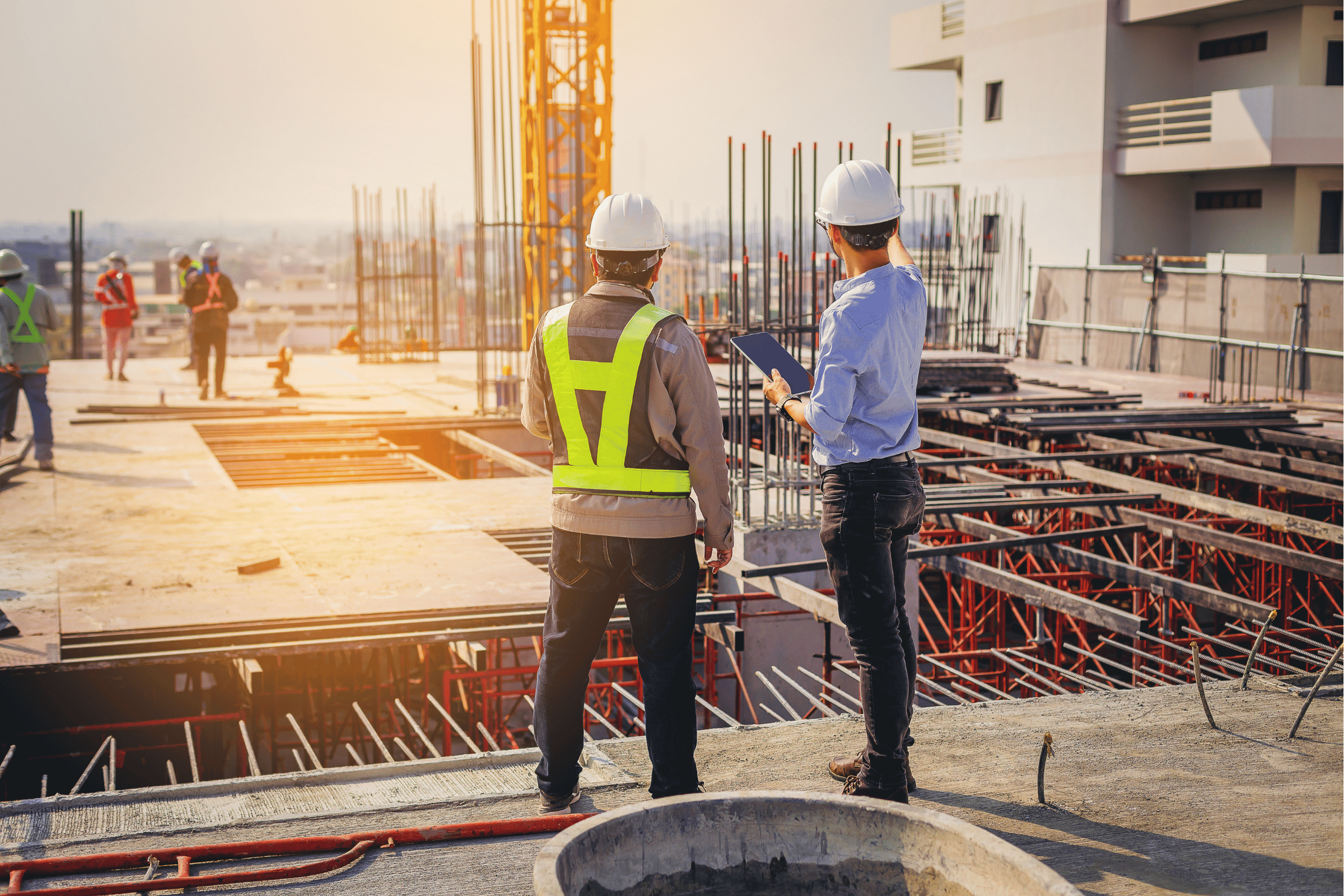
A forensic structural engineer investigates how and why a building or structure failed. He or she is ultimately focused on documenting findings in a way that survives legal dispute. The word “forensic” alludes to a high level of scrutiny: measured, cited, and documented, knowing that someone else is going to try to take apart those same findings.
When I investigate an engineering failure or dispute, my audience is an attorney, an adjuster, or sometimes even a jury. These are all people who weren’t there when the incident occurred. They are not engineers, but they are being asked to listen to two different stories about the same structure.
My job is to identify the story that the physical evidence supports, and then to explain it so clearly that a fact-finder doesn’t have to take my word — everything is outlined in black and white with evidence to back it.
If you’re an attorney with a case that involves a structure and what happened to it, here’s a glimpse at what the work looks like.
Design engineering means starting with an empty site and a set of requirements. The job is then to figure out what to build so that nothing goes wrong. Forensic engineering works differently. Rather than starting with an empty site, forensic engineers investigate something that went wrong with an existing structure (like a bent tank ring or a cracked foundation). A forensic engineer is seeking evidence of why something happened.
The physics obviously don’t change between traditional structural engineering and forensic structural engineering, but the discipline is completely different.
Here’s the key difference: A design engineer’s work gets checked by plan reviewers and building officials who want the project to succeed. My work gets checked by an opposing expert whose job is to find its weak spot. Every measurement I take, every code section I cite, every sentence in my report — I write them all knowing that a smart person with different incentives will read them looking for the soft spot.
That pressure is good because it forces me to start with the evidence rather than the conclusion. Sometimes the evidence supports my client’s case. Sometimes I have to call and tell them it doesn’t. That call, as uncomfortable as it is, is why my reports hold up when it matters most.
The work follows the same arc on almost every case, whether it’s a hail claim or a tank failure. Here’s what the process looks like:
If the case does not settle, we give testimony in depositions and in court. This is where discipline in forensic structural engineering pays off. When the measurements taken were correct, and the reasoning in the report was honest, giving testimony is just explaining our work to people who need to understand it.
Nearly everything I’m retained on falls into one of the four buckets below. If your dispute doesn’t sit neatly in one of those four, ask us anyway. Get in touch to start a conversation around how we can help.
A building takes damage, a claim gets filed, and the carrier and the policyholder disagree about what the storm actually did versus what was already there. Coverage for wind, hail, hurricane, and rain damage often turns on causation, and causation is an engineering question. I've worked these from both sides of the table, for carriers and for policyholders, and the analysis is the same either way: match the physical damage signature to the weather that actually occurred. Learn more about our Storm & Insurance Claim forensic structural engineering.
An owner says the contractor built a structure incorrectly. The contractor says the owner didn’t maintain it, or the design was the problem, or something else. Our team determines what standard the work was supposed to meet (the code at permit, the approved plans, the manufacturer's installation specs) and whether it met that standard in reality. Learn more about our Construction Defect forensic structural engineering.
Someone falls, gets hurt, and sues. The plaintiff says the property was dangerous; the owner says it was not. In cases like these, it’s typically straightforward to determine causation: we measure slopes, meter lighting levels, and check ADA clearances against the actual dimensions. Sometimes the building was the problem, and sometimes it was not. Either way, we give our clients reports grounded in hard evidence rather than just an opinion. Learn more about our Premises Liability & Code Safety forensic structural engineering.
When a tank fails, the first question is the mechanism — corrosion, foundation settlement, a weld, or an operational event. The second question, and often the bigger one in litigation, is whether the inspection and maintenance history met the required standards. These cases are records-heavy and technical. Our team also has decades of real-world experience in this area, which is how we got into forensics in the first place. Learn more about our Storage Tank Failure & Environmental Release forensic structural engineering.
In my experience, three specific things make findings hold up:
Do all three of these things, and the findings will only need to be presented. You’ll find that there’s little need to defend them.
Earlier than most attorneys think — and usually earlier than they actually call. I understand the instinct to wait: Retaining an expert feels like a commitment. There are often budget constraints, and many attorneys hope a case will settle before they need an engineer.
But here’s the truth: You need to call before anything at the site changes more than it already has. Time spent waiting to make the call is time when evidence can be lost.
We’re always available for a consultation with attorneys at any stage of a dispute. Contact us to start the conversation.
A forensic structural engineer investigates how and why a building or structure failed, was damaged, or fell short of code. They document the findings for use in a legal dispute. The work includes site inspection, measurements, causation analysis, a written expert report, and deposition and trial testimony (if the case does not settle).
Yes, though less often than you’d expect. Most cases settle after the expert reports are exchanged, so the report does the heavy lifting. When a case does proceed, the engineer testifies at deposition and trial as a qualified expert witness, explaining the analysis to the judge and jury.
A home inspector surveys a property’s visible condition, typically for a real estate transaction, and isn’t required to hold an engineering license. A forensic structural engineer is a licensed PE who determines the cause of a specific failure and renders an opinion built for litigation (one that’s measured, code-cited, and defensible under cross-examination). An inspection tells you what’s there, but a forensic analysis tells you why (and proves it).
Mostly litigation attorneys, property owners and insurance professionals — on either side of a dispute. Attorneys retain engineers as testifying or consulting experts in storm claims, construction defect cases, premises liability suits, and tank failure litigation. Carriers and adjusters retain them to establish causation on contested claims. Property owners occasionally hire one directly, usually in an effort to avoid litigation.