Forensic Structural Engineering
Construction Defect or Normal Wear? How Engineers Draw the Line
October 2, 2026
Schedule a Consultation >
Contact Us
Forensic Structural Engineering
October 2, 2026
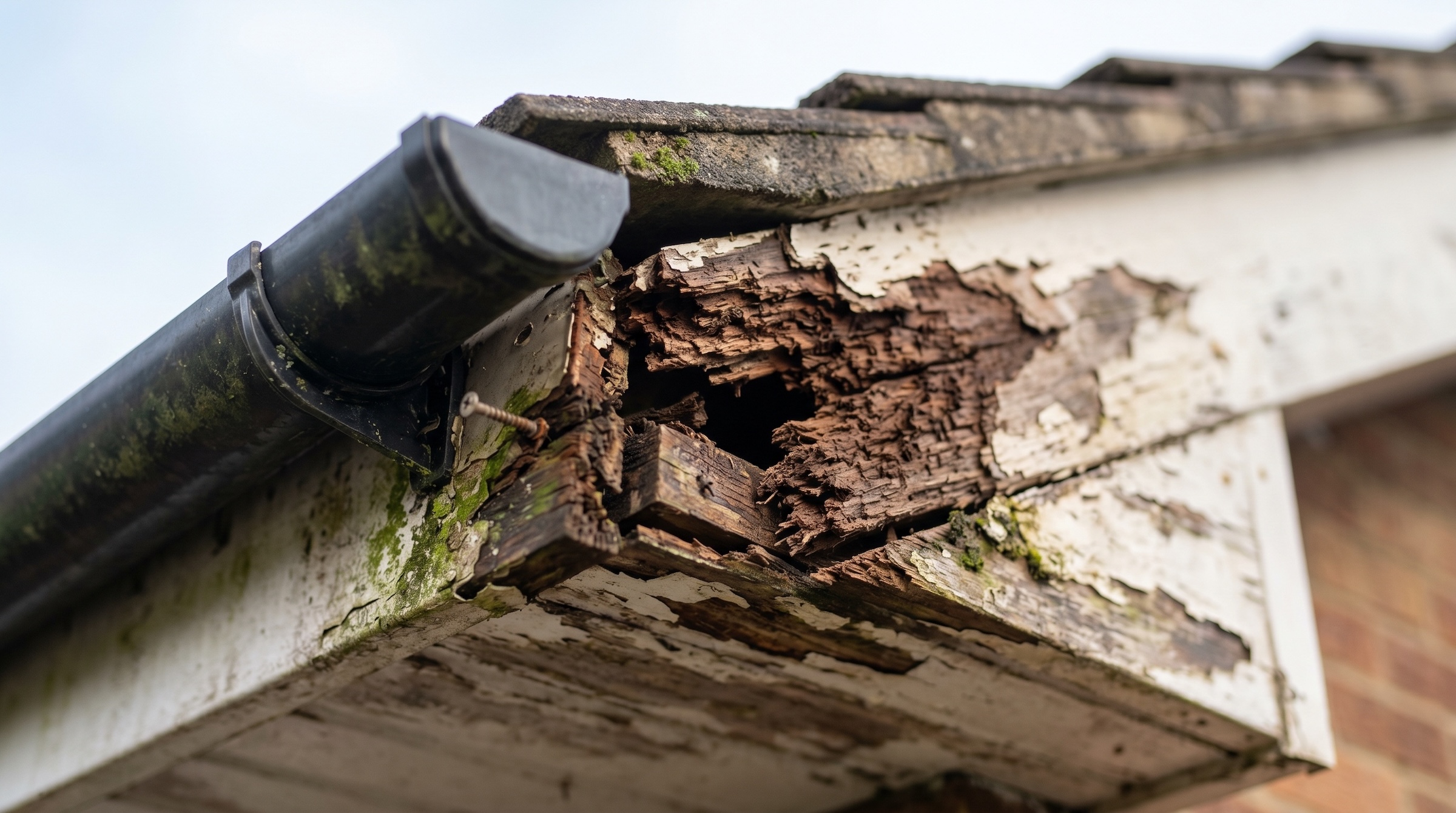
The short answer is this: Construction deficiencies and ordinary aging tend to leave different physical evidence, and a forensic engineering investigation is designed to distinguish between them.
By the time a dispute arises, the two often look alike: a leaking window, a cracked slab, and/or a stained ceiling. The engineering work is to look past the symptom to the assembly behind it, compare what was built against what the plans, the manufacturer, and the applicable code called for, and then evaluate when the condition likely began.
In our practice, these disputes generally come down to the same two questions as most failures we investigate: causation and duration. That is:
If you want the general picture of how forensic engineers approach those questions, start with what a forensic structural engineer actually does. This article is about how that work applies to construction-defect claims.
Whether a condition is treated as a construction defect is ultimately a legal determination. The engineering contribution is essentially a comparison. An engineer looks at the as-built condition against sources like:
The symptom is rarely the whole story. A window that leaks is not automatically a deficiency in the installation, and an installation that deviates from the manufacturer’s requirements may be a concern even where no leak has appeared yet. The investigation focuses on the assembly rather than the visible result.
In our experience, a large share of construction-defect work involves the building envelope: roofing, waterproofing, windows, cladding, and the flashing details that tie them together. Those are also the elements most easily confused with weathering, which is one reason these claims are so often contested.
Attorneys often ask early whether a problem traces to design or construction. From the engineering side, those are different questions. A design question asks whether the plans and specifications, as drawn, were adequate for the conditions. A construction question asks whether the field work conformed to those plans, the manufacturer’s requirements, and the applicable code.
The physical evidence and the project documents often point one way or the other. For example, if a component was fabricated as designed but the structure receiving it was built out of tolerance, the documents and field measurements may indicate a construction issue rather than a design one. In other cases, particularly on smaller projects, work may have been performed with little or no formal design, and the analysis must first establish what an appropriate design would have required before it can evaluate the work against it.
The engineering analysis can offer a documented comparison of the as-built condition against the applicable requirements, and assist with mapping of responsibility to the appropriate parties.
There is no single test. Engineers look at several kinds of evidence together.
Patterns of distress. Weathering tends to be worst where sun, water, and traffic concentrate, and it tends to progress gradually across similar details. Distress that clusters at a specific construction detail, or that appears at the same detail in multiple locations, is one pattern engineers look for when evaluating whether a deviation, rather than exposure, may be involved.
Age relative to expected performance. Building components have general expectations for service life under normal conditions. When a component shows significant distress well ahead of what would ordinarily be expected, that is a reason to investigate further, and the reason is often visible in a core sample, an opened assembly, or a fastener pattern.
The requirements in effect at the time. Buildings are generally evaluated against the code and standards applicable when they were built, rather than current editions. Determining which requirements applied is part of the analysis.
Maintenance history. Deferred maintenance can make a sound assembly look deficient, and diligent maintenance can mask a deficiency for a long time. Inspection records, repair invoices, and warranty correspondence are read alongside the physical evidence (not instead of it).
A forensic construction-defect investigation is organized so that opinions trace to documented evidence. Depending on the case, the scope may include:
We work these matters for owners and for contractors and design professionals, and the analysis is the same either way: the building, the documents, and the applicable requirements either line up, or they don’t.
Generally, earlier than feels natural, and ideally before repairs. Repairs change the as-built condition, which is often the most important evidence in the case. Once an assembly has been opened, corrected, and closed, causation is argued from whatever photographs happen to exist.
Timing also matters because latent envelope conditions can take years to produce visible symptoms, so the investigation may already be working against the calendar by the time a client calls. The legal deadlines that apply to a claim are counsel’s domain. The engineering contribution is duration: physical evidence bearing on when a condition likely began and when it reasonably could have been observed. We’ve written more broadly about when to bring a forensic engineer into a case. For defect claims, the practical answer is usually “before the scope of repair is decided.”
Engineers use “latent” to describe a deficiency that is not apparent on ordinary observation, such as flashing omitted behind cladding or reinforcement placed incorrectly inside a slab. Identifying one usually requires testing or opening the assembly. The legal significance of the term varies by jurisdiction and is a question for counsel.
“Patent” describes a deficiency that is observable on ordinary inspection, such as a missing handrail or ponding on a paved surface. Because the distinction can matter in a dispute, a forensic report is typically explicit about what was observable, from where, and when.
Talk with one of our licensed professional engineers before repairs change the evidence. We’ll tell you what the building can show, what it can’t, and what it would take to find out.