Forensic Structural Engineering
What Happens in a Forensic Engineering Investigation? From Site Inspection to Report of Findings
October 22, 2026
Schedule a Consultation >
Contact Us
Forensic Structural Engineering
October 22, 2026
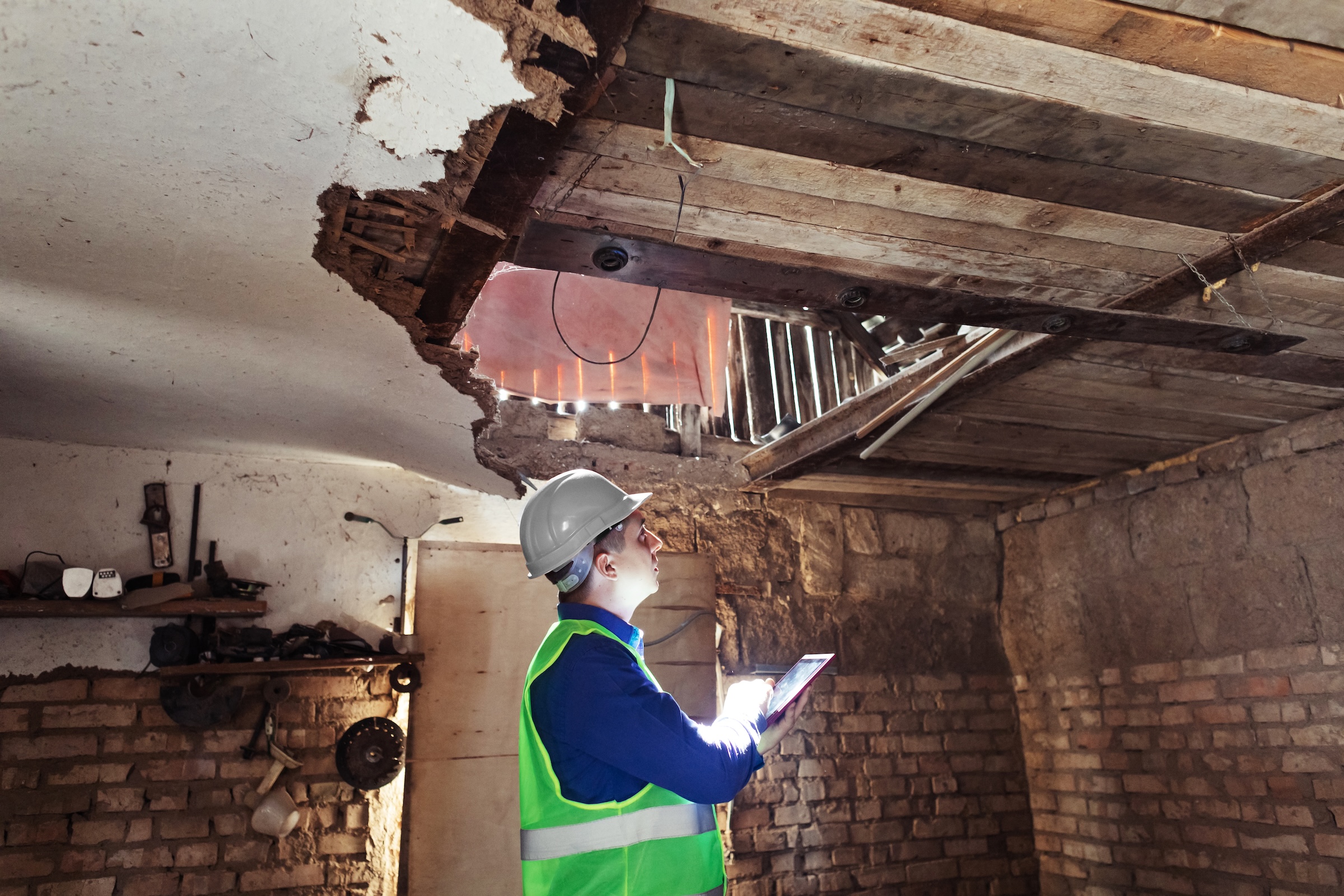
A forensic engineering investigation answers two questions about a failure or a loss: what caused it, and when it happened.
Any investigation follows this sequence: define the question, gather documents, inspect and document the site, test when warranted, analyze the evidence against applicable requirements, and put the results in a Report of Findings that can withstand scrutiny.
Attorneys who know what happens at each stage tend to get more out of the engineer (and so do their cases). See below for a full rundown of what that sequence looks like in practice, and get a broader picture of the role by reading our article on what a forensic structural engineer does.
Every investigation starts by defining the questions that need answers. Sometimes the questions are narrow: Did this roof covering fail from wind, or from something else? Sometimes the questions are broader: Why did this structure perform the way it did, and when did the underlying condition begin?
The question shapes everything that follows, including which documents are relevant, what the site inspection needs to capture, and whether any testing is needed. It also sets the boundary of the engineering opinion. A forensic engineer evaluates physical cause and timing. Whether a given cause falls within a policy, contract, or standard of care is a question for counsel.
More forensic engineering work happens at a desk than people might realize. Depending on the matter, the engineer may ask for:
The engineer also pulls independent sources where they apply, including historical weather data for the property’s location, the code edition in force when the structure was built or altered, and the manufacturer’s installation requirements for the products involved.
This review does two things. First, it provides the engineer with a guide for what to look for on site. Second, it builds out the documentary half of the timeline. Physical evidence shows what a condition looks like now, but documents show what it looked like earlier.
The site inspection is where the physical record is developed. In general terms, the engineer:
Where an inspection may alter evidence, the usual practice is to notify the other parties beforehand so that they can attend or object, and to document each step so the condition before and after is on record. Anything removed from the site is labeled, photographed, and tracked so its chain of custody is clear.
Those steps protect the evidence, and they protect the opinion that will later rest on it. We’ve written about how much can be lost when an engineer comes in late in our article on when to bring a forensic engineer into a case.
Not every matter needs it. When it does, testing answers a specific question that observation alone can’t settle. Depending on the case, that may include:
The result is one more piece of evidence, weighed alongside the site observations and the documents. Testing should never be used as a substitute for other portions of the investigation. Instead, it simply narrows the possibilities the rest of the evidence has already established.
With the evidence in hand, the engineer compares what was observed against what applied across the governing code edition, the design documents, the manufacturer’s requirements, and the recognized standards for the component in question. The analysis looks for the explanation that fits all of the evidence, and it rules out the alternatives that don’t fit.
That comparison yields two things. The first is causation: the physical mechanism that produced the condition. The second is duration: when that condition likely began, which the documents, the weather record, and the physical indicators help establish. Causation and duration are usually the two questions that make or break a case, and they’re analyzed together. The same approach applies whether the subject is a possible construction defect, a storm claim, a premises condition, or a storage tank.
The Report of Findings is the written product of the investigation. It documents what was asked, what was reviewed, what was observed, how it was analyzed, and the engineer’s conclusions, along with the photographs, measurements, and sources that support each step. In general, a report covers:
A report written this way can be followed by someone who wasn’t there. That matters because the people who will read it most closely are usually the ones with a reason to disagree with it. Each conclusion traces back to a specific observation, document, or measurement, so a reader can check the reasoning rather than take it on trust.
The report may be the end of the engineer’s role or the start of a longer one. In some matters, it supports a resolution without testimony. In others, the engineer is deposed, responds to another expert’s analysis, or testifies. New information, like documents produced later or a change in the physical condition, may require a supplemental report.
The basis for the opinion stays constant. Testimony explains the report and the evidence behind it, which is why the investigation is built the way it is, so the report can carry that weight. Whether an engineer’s work is discoverable and how an expert is designated are matters counsel handles.
A few things make a measurable difference:
WindForce investigates structural failures, storm claims, construction defects, premises conditions, and storage tank failures for attorneys, carriers, owners, and contractors. We’re happy to talk through what an investigation would involve in your case.
It’s the written product of a forensic engineering investigation. It documents the scope, the documents reviewed, the site observations, any testing, the analysis, the engineer’s findings, and the limitations on them, with the photographs and sources that support each step.
Often, yes, though with less to work from. The engineer relies more on pre-repair photographs, the repair contractor’s records, any removed materials (if kept), and the documentary record. The findings are stated to the degree that the evidence supports them, which is why documenting a condition before repairs matters.